

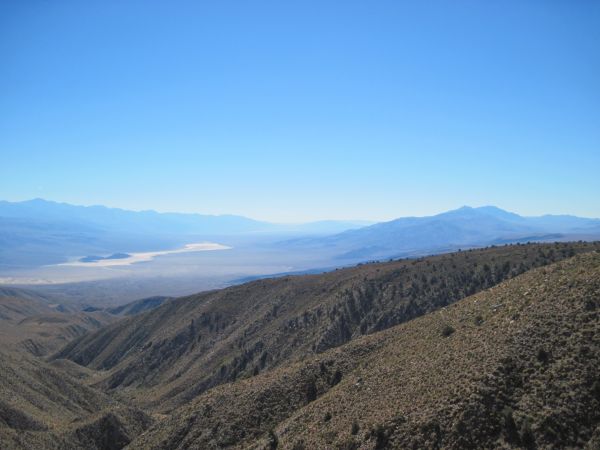

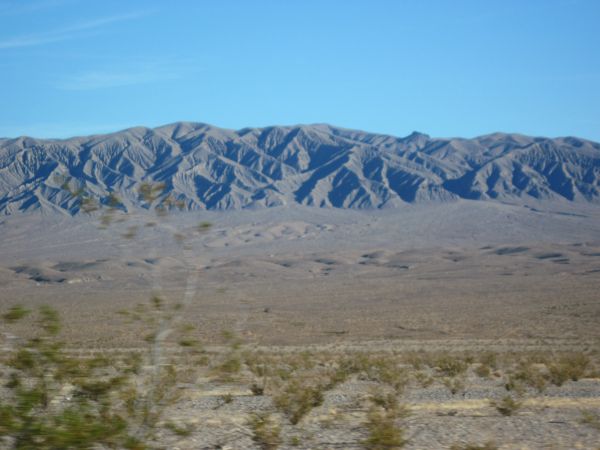


 This beautiful drive through the Panamint high-country winds through dozens of vista points, ghost towns, forests, and more!
Charlie Hatfield - Great Pluviculturist
Charles Hatfield is just one of many interesting characters in California history. Part I will introduce you to him and his amazing rainmaking skills. Part II, which will appear at a later date, will take you further into his career, as he makes a whole lot of rain in the Bonanza Gulch area of the El Paso Mountains in the Western Mojave, and further south in San Diego.
On a hot summer day, perhaps like the one you may be experiencing as you read this, Laura Ingalls Wilder and her husband, worried over several dry years that were scorching their Dakota Farm. She knew she could sow the seed, but God would have to provide the much needed water, and he just wasn’t doing that. She speculated that God had created a higher atmosphere around the earth that was full of moisture, just for the taking, and God had provided man with the brains to figure out how to tap that force. She had heard of a man in California named Charles Hatfield who supposedly had learned how to do just that, and wrote about him in a little column she wrote in May 1924.
Charles Mallory Hatfield, was known far and wide in the early 20th century. Not only did the woman who wrote “Little House” books about her own pioneer childhood days, write of Charles Hatfield and his drought curing abilities, he was legendary throughout California, and the Western half of the United States, as well as Canada, and Alaska. He was renowned as “Cloud Coaxer”, “Water Magician, “Moisture Accelerator, “Wizard of Esperanza” or in plain English - Wizard of Hope.. In technical terms of the day, he was a pluviculturist. As Mrs. Wilder more simply referred to him, he was “Hatfield the Rainmaker”.
Born in Fort Scott Kansas in the year 1875, Charles Hatfield, and his family moved to Southern California sometime in the 1880’s. By the 1890’s he was he was living on a ranch or farm in Oceanside, California. He went to school until ninth grade when he decided to become a salesman for the New Home Sewing Machine Company. When he wasn’t busy selling sewing machines he was reading “The Science of Pluviculture”, a book of crafting rain that was had been written in 1871. Soon he was brewing his own chemicals, and began experimenting at the windmill on the property. Much to his surprise, his secret mixture of 23 chemicals which may have included hydrogen and powdered zinc, actually caused drizzle.
In 1904, At age 27, Hatfield had moved to Glendale , California , and was still selling sewing machines, and still concocting his secret rain remedies on the side. A promoter of the day, Fred Binney, decided to let the world know about Hatfield and his abilities, and began making promises that Hatfield could come to your community and cure your drought woes. Several Los Angeles ranchers saw Binney’s newspaper ads which were appearing throughout California newspapers, and paid Hatfield $50 to “lend nature just a little assistance.” Charles, and his brother Paul, went to the slopes of Mount Lowe and built a tall tower where he would then stand and release his secret recipe into the atmosphere.. The rain, as promised began to fall. The Los Angeles ranchers, were so delighted they paid him twice his fee, and Hatfield walked away with $100 and a new career. The Weather Bureau of the day, declared the Hatfield storm a small part of a larger storm that was coming, but Hatfield’s believers made a folk hero out of him, and the "Rainmaker" was well on his way to becoming famous. When Los Angeles required more rain as time went on, Hatfield promised them 18 inches. He produced all but a fraction of an inch of the 18 required, and received $1,000 in cash. Charles took the money and hit the lecture circuit, earning himself more money and a new the title. The “Professor”, enjoyed spouting off details of his rainmaking skills wherever he went.
TO BE CONTINUED...

